
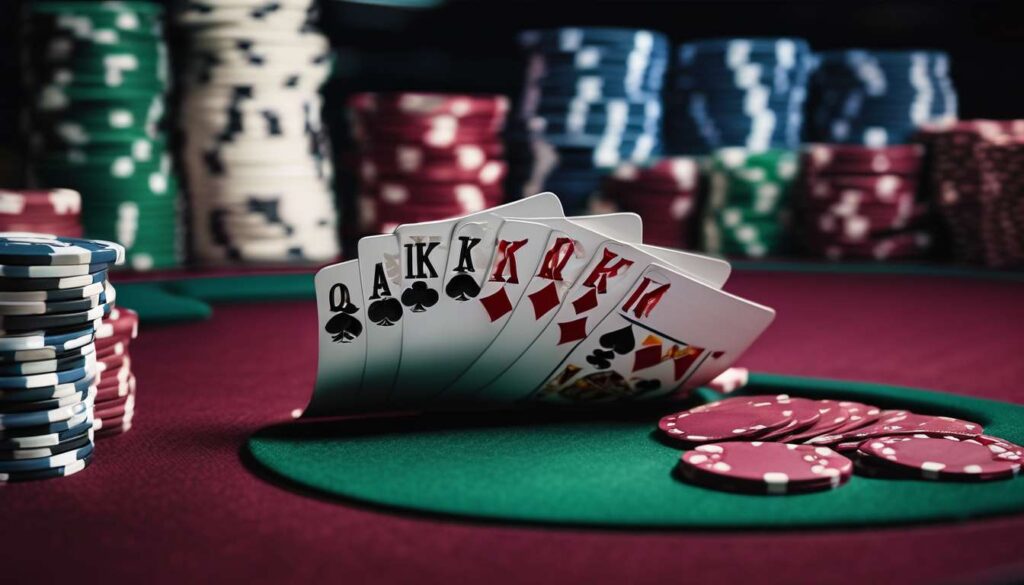
Stepping into the alluring world of casinos, the anticipation and thrill of the unknown often guide our senses. As enthusiasts and strategists, we understand that success at the tables is not merely about luck, but rather about mastering the nuances of the game.
In our pursuit of developing a robust casino strategy, we recognize the significance of understanding board textures—a crucial element that can influence the outcome of our hands.
Through this article, we aim to explore the eight fundamental board textures that every serious player should be familiar with. By dissecting these aspects, we can uncover patterns and tactics that will enhance our decision-making processes.
Together, we will:
- Delve into the intricacies of the game.
- Transform the way we approach each round.
- Ultimately, increase our odds of walking away as winners.
Let’s embark on this journey of strategic enlightenment and elevate our casino game to new heights.
The Importance of Board Texture
Understanding board texture is crucial for developing effective casino strategies, as it directly influences our decision-making and overall gameplay approach. When we sit at the casino table, we’re not just playing cards; we’re engaging with a community of fellow players, all of whom are trying to decode the same puzzle. The board texture is like the language we all speak, telling us what moves might lead us to victory.
Board textures vary significantly, and knowing how to read them can make all the difference. Here are a few key types:
-
Wet boards:
- Have many connectors and suited cards.
- Offer potential for numerous draws.
- Are dynamic and can shift the balance of power quickly.
-
Monotone boards:
- Feature cards of the same suit.
- Create unique challenges and opportunities.
Recognizing these textures helps us adapt and play in a way that aligns with both our strategy and the flow of the table. Together, we can master this art and grow as a community.
Identifying Wet and Dry Boards
We can easily distinguish between wet and dry boards by observing the number of potential draws they present. When we’re together at the table, understanding board texture can truly enhance our strategic play.
Wet boards are our primary concern when evaluating risk. These boards:
- Often contain multiple possible straight or flush draws.
- Indicate more potential for our opponents to have strong hands.
- Are dynamic, requiring us to adapt our strategy as the turn and river cards are revealed.
On the other hand, dry boards are a bit more straightforward. They:
- Have fewer draws, often featuring disconnected cards.
- Don’t support many combinations.
- Allow us to feel more secure in our strategy, relying on our hand’s inherent strength.
Monotone boards, where all the cards share the same suit, also demand our attention. They can:
- Make or break our plans.
- Present flush possibilities, turning a seemingly dry board into a wet one in an instant.
Understanding these board textures is crucial for effective strategic play in poker.
Understanding Connected Boards
Connected boards, featuring sequences of cards that enhance the chances for straights, demand our close attention when strategizing at the poker table. As we join forces to decode these intricate board textures, it’s crucial to understand how they influence our hand’s potential and our opponents’ likely holdings. We’re in this together, navigating the complexities of connected boards to make informed decisions and strengthen our poker community.
Differences from Wet Boards:
- Unlike wet boards, which are heavy with draws, connected boards have a unique allure that can easily shift the game dynamics.
- They often appear intimidating due to the increased possibilities for straights and other combinations.
Strategizing with Connected Boards:
- Observation: With keen observation and shared insights, we can master these scenarios.
- Evaluation: Connected boards urge us to evaluate straight possibilities and adjust our tactics accordingly.
Comparison with Monotone Boards:
- Monotone boards, with cards of the same suit, require a different strategy.
- Connected boards, however, focus more on the potential for straights rather than flushes.
By dissecting these board textures, we enhance our collective skills, ensuring we remain a formidable force at the table.
Grasping Paired Board Dynamics
When facing paired boards, we must swiftly assess the potential for full houses and trips to enhance our strategic edge.
Our community thrives when we understand these board textures and their implications. Paired boards can often appear deceptive, resembling wet boards that invite cautious play. They may seem safe, but lurking beneath might be powerful hands like trips or full houses, ready to turn the tide of the game.
As we navigate these dynamics, it’s crucial to weigh our opponents’ tendencies and possible holdings. A paired board might suggest a less volatile situation than monotone boards, yet the threat of concealed strength remains. We should consider how opponents react, as some may:
- Overvalue hands on these textures
- Bluff more aggressively
Together, we can master the intricacies of paired board dynamics, ensuring our strategies remain robust. By honing our skills in discerning these textures, we cultivate a stronger bond and elevate our shared casino strategy expertise.
Analyzing Monotone Board Structures
When we encounter monotone boards, we must carefully evaluate the heightened potential for flushes and the challenges they present to our strategy. In our shared journey through the complexities of poker, understanding board texture is crucial.
Monotone boards, where all cards are of the same suit, are particularly wet boards, creating a landscape ripe for flushes. Such scenarios demand we adjust our tactics with keen awareness.
Our community thrives on shared insights, and tackling monotone boards together strengthens our strategies. We should approach these boards with caution, recognizing that the threat of a flush looms large.
Key considerations include:
-
Reassessing Hand Strength: Consider the likelihood that an opponent might already hold a flush or be drawing to one.
-
Bluffing Risks and Rewards: Weigh the risks and rewards of bluffing when facing these wet boards, as the potential for our opponents to call with strong hands increases.
Together, we navigate these complexities, enhancing our collective success.
Deciphering Rainbow Board Characteristics
Rainbow boards, featuring cards of all different suits, provide a unique opportunity to focus on alternative strategic considerations beyond flush possibilities.
Unlike monotone boards, which can quickly lead to flushes, or wet boards, which present numerous straight and flush draws, rainbow boards simplify some aspects of decision-making. They offer clarity, allowing us to assess hand strength without the constant threat of flushes.
Key Focus on Rainbow Boards:
-
Identifying Potential Straights:
- The absence of flush possibilities shifts our focus to the board texture and potential straights.
- Pay attention to the connections between cards and how they might form straights.
-
Board Texture Analysis:
- Analyze the board to anticipate opponents’ actions.
- Adjust strategy based on the potential for straights rather than flushes.
By embracing the simplicity of rainbow boards, we foster a sense of unity and shared understanding in our strategic approach. This clarity allows us to make more informed decisions and better anticipate our opponents’ moves.
Unraveling High and Low Board Variations
High Board Strategy:
When encountering a high board texture:
-
Recognize the Strength: These boards typically favor strong high-card hands, such as strong pairs or potential straights.
-
Opponent’s Range: High boards often connect well with opponents’ ranges, making them unpredictable. Stay vigilant and attentive to maintain an edge.
Low Board Strategy:
In contrast, low boards present unique challenges:
-
Wet Boards: Low boards can be wet, offering opportunities for straight and flush draws.
-
Cautious Betting: On low, monotone boards, assess the potential for flushes and exercise caution with your bets.
Adaptability and Teamwork:
-
Adaptable Strategy: By remaining adaptable to different board textures, you enhance your strategic approach.
-
Camaraderie: Understanding and navigating these challenges together fosters a sense of belonging and camaraderie among players.
By applying these strategies, you can confidently navigate the complexities of high and low board variations, enhancing both your strategy and sense of community.
Mastering Mixed Board Textures
Mixed board textures demand our attention and adaptability, as they often combine elements of both high and low boards, presenting a complex landscape for strategic decision-making. We need to embrace these challenges, as they offer us a chance to strengthen our skills and deepen our connection with fellow players.
Understanding mixed board textures requires us to recognize the unique characteristics they present, such as:
- Wet boards, which hint at the possibility of straights and flushes.
- Monotone boards, which suggest strong suited connectors.
When facing a mixed board, we must evaluate the potential combinations our opponents might hold. By anticipating these hands, we can make more informed decisions about our actions:
- Betting
- Checking
- Folding
Let’s approach mixed board textures with curiosity and openness. Together, as a community of strategic thinkers, we can navigate this intricate terrain, enhancing our gameplay and fostering a sense of belonging in the process.
How can I improve my overall decision-making skills in poker beyond understanding board textures?
To enhance our poker decision-making skills beyond grasping board textures, we should focus on several key areas:
1. Studying Opponent Tendencies
- By observing and adapting to our opponents’ actions, we can make more informed choices.
- Recognize patterns in their betting, folding, and bluffing habits to predict their future moves.
2. Honing Our Bluffing Abilities
- Improving our bluffing skills allows us to keep our opponents guessing.
- Use bluffing to seize control of the game and manipulate opponents into making mistakes.
3. Mastering Position Play
- Understanding the importance of position helps us leverage our advantage.
- Use position to dictate the flow of the game and make strategic decisions with greater information.
By focusing on these areas, we can significantly improve our overall poker strategy and performance.
What are some common psychological pitfalls players face in casino games, and how can they be avoided?
In casino games, we often encounter psychological pitfalls that can trip us up. These traps include:
- Tilt: A state of mental or emotional frustration that can lead to poor decision-making.
- Overconfidence: Believing in one’s ability to win beyond the actual probability, which can lead to risky bets.
- Chasing losses: Trying to recover lost money by making increasingly risky bets.
To avoid these pitfalls, it’s essential to:
- Stay disciplined: Develop a clear plan and stick to it.
- Manage emotions: Keep your feelings in check to avoid making impulsive decisions.
- Stick to your strategy: Have a predetermined strategy and adhere to it regardless of the situation.
It’s crucial to:
- Take breaks when needed.
- Set limits on both time and money spent.
- Focus on making rational decisions rather than emotional ones.
By staying mindful of these pitfalls, we can improve our overall gameplay and enjoyment at the casino.
How does bankroll management influence strategic decisions in poker?
Bankroll management is crucial in poker as it guides our strategic decisions. By carefully managing our funds, we can make smarter choices at the table, staying in control even during tough times.
Key influences of bankroll management:
-
Stakes We Play: It determines the level of stakes we should engage in, ensuring they align with our financial capacity.
-
Risks We Take: It helps in assessing acceptable risk levels, safeguarding against excessive losses.
-
Prevention of Quick Busts: Proper management ensures we don’t deplete our funds too quickly.
Benefits of disciplined bankroll management:
-
Focus on Long-term Goals: It keeps us aligned with our overarching objectives in the game.
-
Prevention of Impulsive Decisions: By following a structured plan, we avoid making rash choices that could harm our overall game.
Overall, effective bankroll management is essential for maintaining control and enhancing our poker strategy.
Conclusion
Now that you’ve delved into the fundamentals of board texture in casino strategy, you’re equipped with crucial insights to enhance your gameplay.
By recognizing:
- Wet and dry boards
- Connected and paired board dynamics
And by deciphering various board characteristics, you’re well on your way to mastering this essential aspect of the game.
Keep practicing and refining your skills to navigate and capitalize on different board textures effectively during your casino adventures.
Good luck at the tables!